 Garden Surveyor
How to work out how much gravel you need
Gravel is sold by weight, so start with the area you want to cover in square metres and the depth you want to lay in metres. Multiply them for the volume, then convert to tonnes using a density of roughly 1.5–1.8 tonnes per cubic metre. The calculator above handles the conversion and rounds up to whole bulk bags so you order enough to finish the job without paying for material you won't use.
Recommended gravel depths (UK)
| Use | Depth |
|---|---|
| Decorative gravel area / borders | 50 mm over membrane |
| Garden / informal path | 50 mm over membrane |
| Gravel driveway (top layer) | 50 mm angular over sub-base |
| Drainage / French-drain layer | 100 mm clean angular gravel in geotextile |
| Ground cover / mulch | 50 mm over membrane |
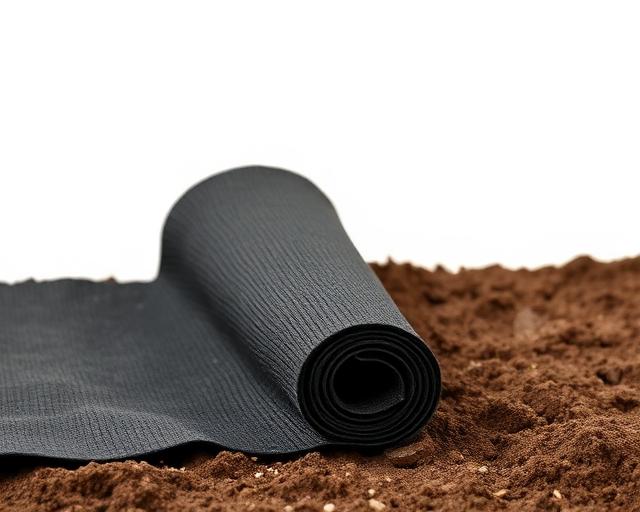
Always lay decorative gravel over a permeable weed-control membrane. On driveways, put angular gravel over a compacted MOT Type 1 sub-base so it stays put under traffic.
Building a whole gravel driveway?
Set out levels and falls, take off the sub-base and build a full materials list.
Frequently asked questions
- How much gravel do I need?
- Multiply the area in square metres by the depth in metres to get the volume, then multiply by roughly 1.5–1.8 tonnes per m³ depending on the stone. The calculator above does this and converts to tonnes, bulk bags and 25 kg bags so you order the right amount.
- What depth of gravel should I lay?
- For a decorative gravel area or path, lay about 50 mm over a membrane. A gravel driveway also wants 50 mm of angular gravel over a compacted MOT Type 1 sub-base. Lay 20 mm gravel at least 40 mm deep (twice the stone size) so it covers properly, and don't go much deeper than 50 mm of loose gravel or it becomes hard to walk and drive on.
- How many m² does a bulk bag of gravel cover?
- A standard bulk (jumbo) bag holds roughly 0.85 tonnes, which covers about 10–12 m² at 50 mm depth. The calculator rounds up to whole bags so you always have enough to finish.
- What's the difference between gravel, chippings and shingle?
- Chippings are angular crushed stone that lock together well — best for driveways and paths. Shingle is rounded and looser, better for decorative borders. Both are priced and ordered by tonne or bulk bag, and the calculator works for either.
- Do I need a membrane under gravel?
- Yes — lay a permeable weed-control geotextile membrane under decorative gravel to stop weeds growing through and to keep the stone from mixing into the soil below. On driveways, the membrane sits between the sub-base and the gravel.
- How do I calculate how much gravel I need for a driveway?
- Measure the driveway length and width in metres and multiply for the area, then choose a depth of about 50 mm of angular gravel over a compacted MOT Type 1 sub-base. Enter those figures above and the calculator returns tonnes, bulk bags and 25 kg bags, plus a waste allowance and the sub-base advice for vehicle traffic.
- How many bags of gravel do I need?
- It depends on the area, depth and stone type. As a guide, one 0.85 tonne bulk bag covers roughly 10–12 m² at 50 mm deep, and a 25 kg bag covers about 0.3–0.4 m². The calculator works out the exact number of bulk bags or hand-bagged 25 kg bags for your job and rounds up so you don't run short.
- How much area does a tonne of gravel cover?
- At 50 mm depth a tonne of gravel covers roughly 12–14 m², depending on the density of the stone (lighter slate goes further than dense limestone). Halve the depth and you roughly double the coverage. The calculator uses the correct density for the gravel type you pick.
- How much 20mm gravel do I need?
- 20 mm gravel (the most common decorative and driveway size) is best laid about 50 mm deep — at least twice the stone size so it covers properly. Multiply your area by 0.05 m for a 50 mm layer, then by roughly 1.5–1.8 tonnes per m³. The calculator above does this automatically once you enter the area and depth.
- How much gravel or sub-base do I need under a slab or paving?
- Under paving or a concrete slab you want a compacted MOT Type 1 sub-base — typically 100 mm for patios and paths and 150 mm for driveways — not loose decorative gravel. Use the MOT Type 1 calculator for the sub-base, then this gravel calculator for any decorative topping or borders.
How much does each material weigh per m³?
Gravel, chippings and aggregates are sold by weight, so knowing the density (tonnes per cubic metre) tells you how many tonnes and bulk bags your project needs. Tap any material below for its weight per m³ and typical coverage.