 Garden Surveyor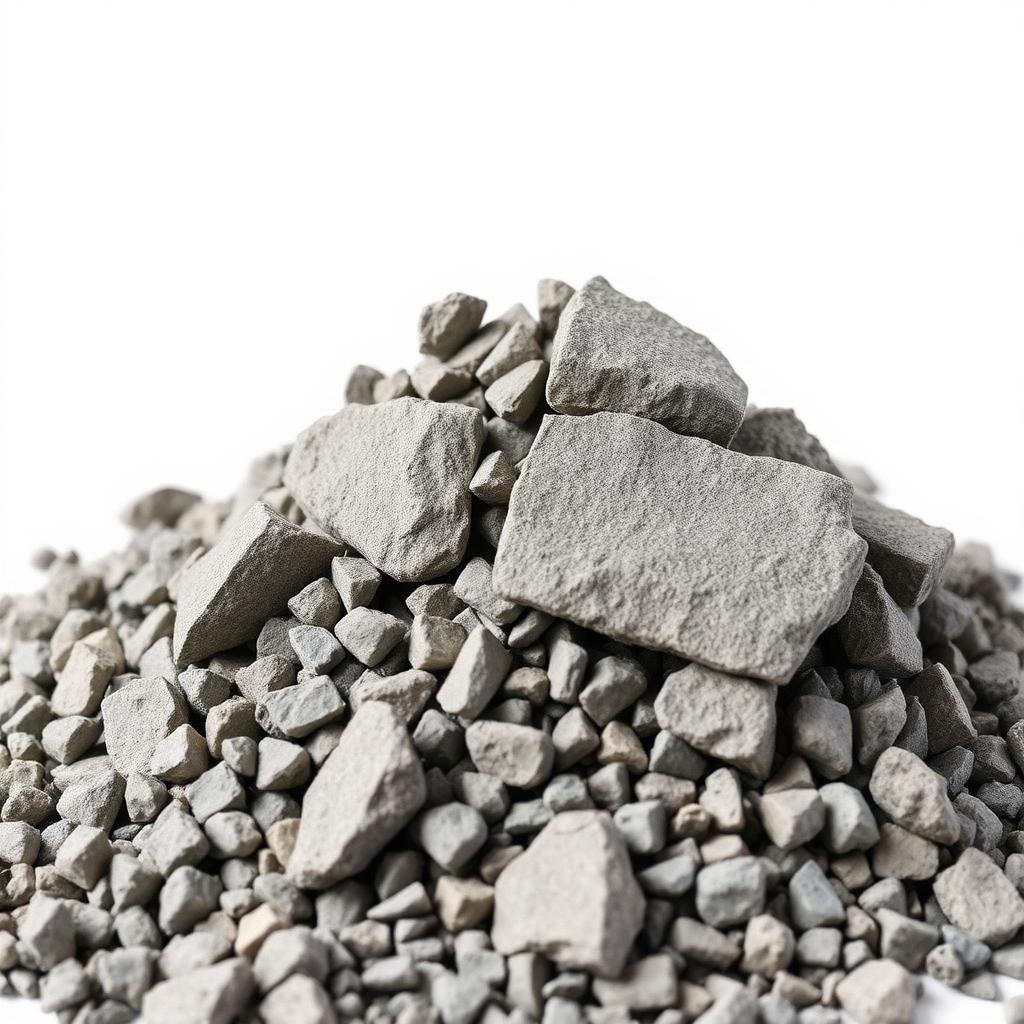
What is a sub-base?
A sub-base is the compacted layer of crushed stone that sits between the ground (the subgrade) and your paving, sand or concrete. It spreads vehicle and foot loads, stops the surface sinking and provides a stable, free-draining platform. In the UK the default specification is MOT Type 1: the "MOT" stands for the old Ministry of Transport, which originally specified this aggregate for highway construction. It is a graded aggregate from about 40 mm down to dust (formally a 0/31.5 mm unbound mixture) defined in the Specification for Highway Works, Series 800, Clause 803 ("Type 1 unbound mixtures"). The mix of particle sizes locks together under compaction to form a dense, load-bearing base. Material is typically crushed limestone or granite, or recycled crushed concrete, conforming to the mixture standard BS EN 13285 with aggregate to BS EN 13242.
Type 1 vs Type 2 vs Type 3 (permeable)
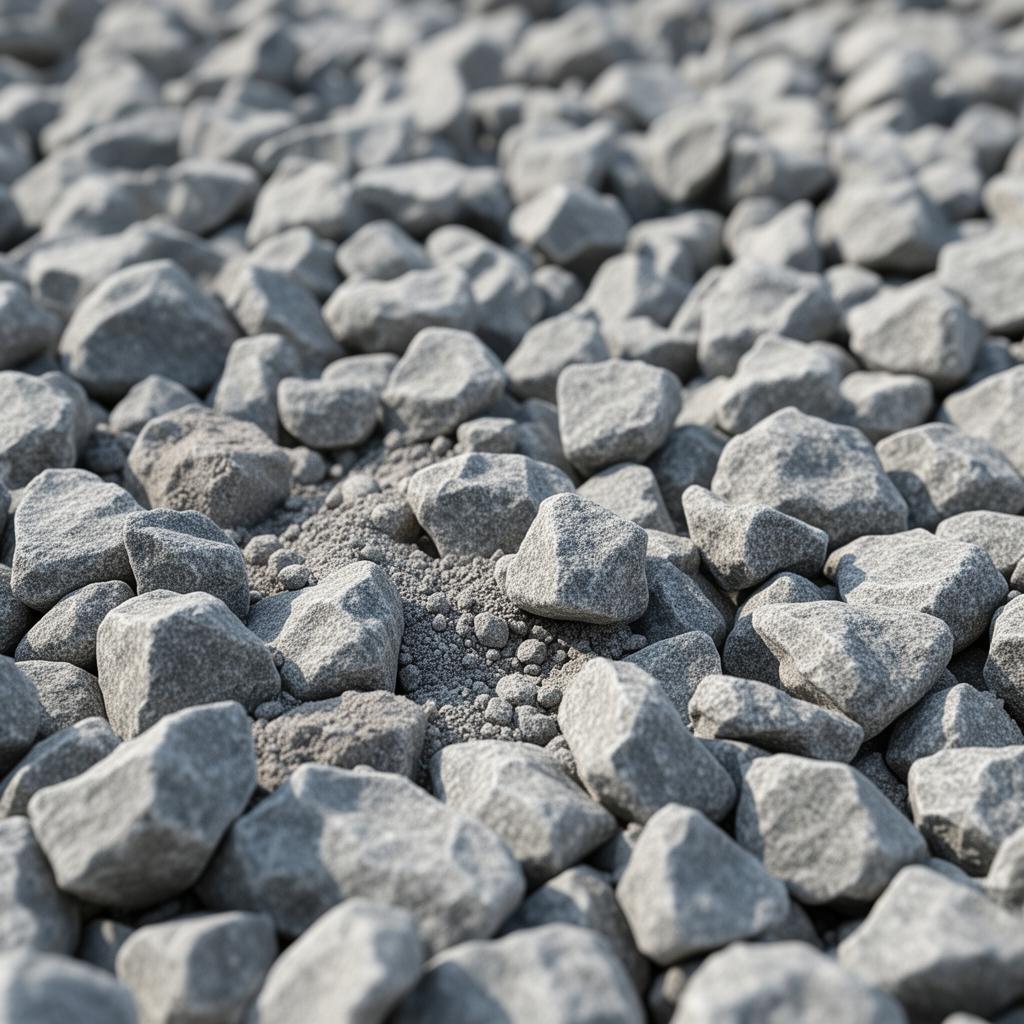
Type 1 includes fines that lock the stone together for maximum strength but limited drainage. Type 2 allows more fines and a smaller top size, cheaper and acceptable for lightly loaded paths, but weaker. Type 3 is a reduced-fines, open-graded permeable sub-base (Clause 805) used where SuDS compliance requires water to drain through the build-up rather than run off to the road.
| Feature | Type 1 | Type 2 | Type 3 (permeable) |
|---|---|---|---|
| Spec (SHW Series 800) | Clause 803 | Clause 802 | Clause 805 |
| Grading | 0/31.5 mm (to dust) | 0/20 mm (to dust) | 0/40 mm (open-graded) |
| Max fines (<0.063 mm) | ≤9% (UF9) | ≤15% (UF15) | ≤5% (UF5) |
| Drainage | Low | Very low | High (permeable) |
| Load capacity | Highest | Medium | Good |
| Best for | Driveways, heavy load | Paths, light use | SuDS / permeable paving |
Standard sub-base depths
| Use | Compacted depth | Notes |
|---|---|---|
| Path / foot traffic | 100 mm | Pedestrian only |
| Patio | 100–150 mm | Furniture, occasional loads |
| Domestic driveway | 150 mm | Cars and light vans |
| Soft / clay subgrade | 200 mm+ | Add membrane / geogrid |
Depths are compacted thicknesses. Order loose material to suit, then compact down to these figures. On poor subgrades (low CBR), increase the depth or add a geogrid rather than relying on the surface course for strength.
How to lay and compact MOT Type 1
CRITICAL SAFETY WARNING
Before excavating 150–250 mm for your subgrade, you must check for shallow underground utilities. Always use a CAT scanner and consult utility plans to ensure you do not strike gas, electric or water lines.
- Excavate to allow for the sub-base depth plus your surface layers, typically 150–250 mm for a driveway.
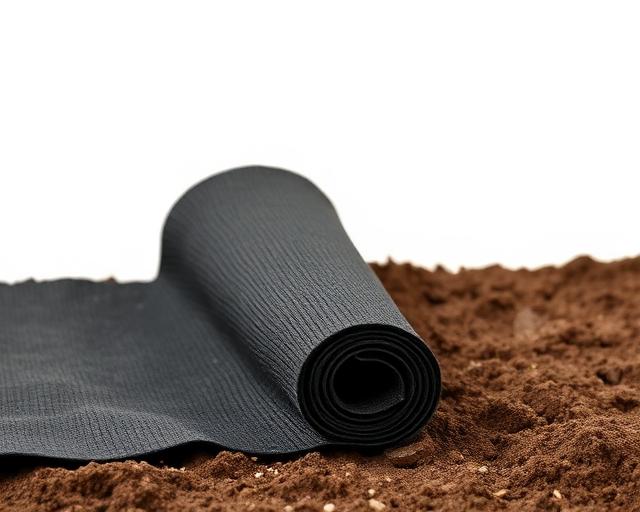
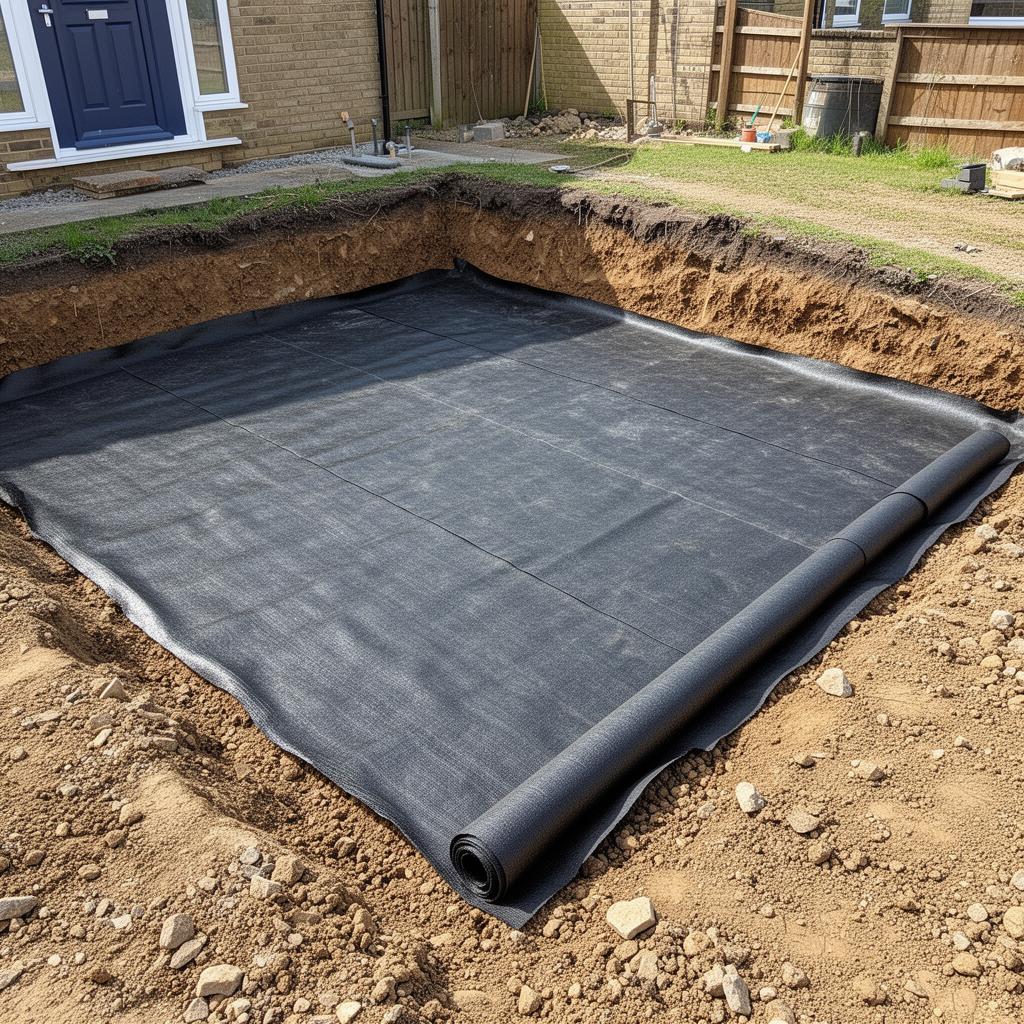
- Roll a woven geotextile membrane over the subgrade, lapping joints by about 300 mm.
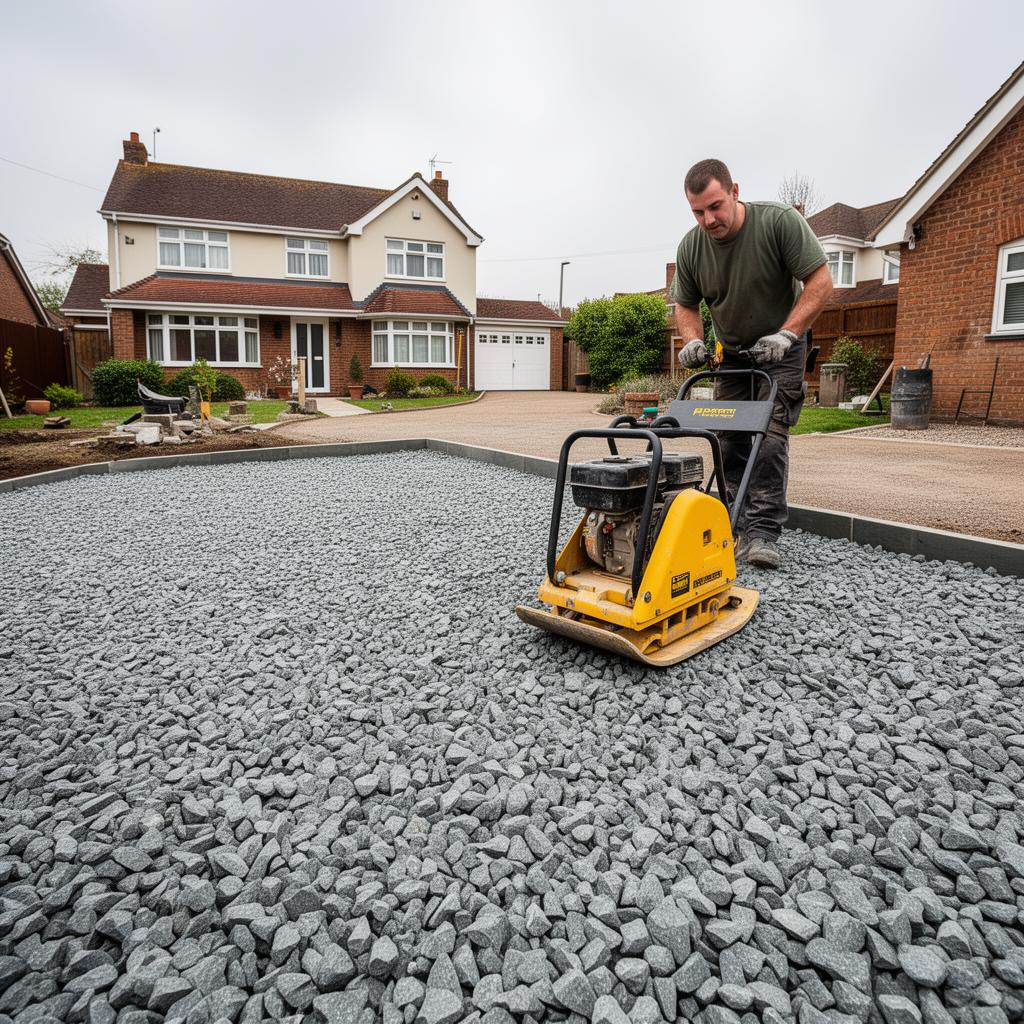
- Tip and rake MOT Type 1 in lifts of 75–100 mm, keeping it slightly damp so the fines bind.
- Compact each lift with a vibrating plate or roller until it stops moving and rings solid.
- Check falls and levels (roughly 1:60–1:80 for drainage) before laying the surface course.
Watch: laying a sub-base step by step
Video: a practical walkthrough of excavating, membrane and compacting a sub-base.
How to calculate sub-base tonnage
Work out your finished volume as area (m²) × compacted depth (m). MOT Type 1 arrives loose and compacts by roughly 30%, so order about 1.3× that volume, then convert to tonnes at a loose density of about 1.85 t/m³. As a quick check, one tonne covers roughly 5 m² at 100 mm or 3.5 m² at 150 mm compacted.
Worked example: single driveway
5 m × 6 m = 30 m² at 150 mm (0.15 m) = 4.5 m³ finished. Allow ~30% for compaction → ~5.85 m³ loose to order. 5.85 × 1.85 ≈ 10.8 tonnes of MOT Type 1.
The MOT Type 1 calculator does all of this from your area and depth, including bulk-bag and loose-tipped estimates.
Common mistakes to avoid
- • Laying the full depth in one go, it never compacts properly. Work in 75–100 mm lifts.
- • Skipping the membrane on clay, the stone sinks and the surface fails within a season.
- • Compacting bone-dry material, a light watering helps the fines bind.
- • Forgetting falls, build in a 1:60–1:80 slope so water runs off, not into the house.
- • Using Type 1 under permeable paving, use Type 3 where SuDS drainage is required.
Partner links for MOT Type 1, geotextile membrane, plate compactors and the tools used in this guide, we may earn a small commission if you buy, at no cost to you.
- Heavy-duty weed control membrane (for under gravel)Amazon
Woven, UV-stable geotextile — lay it under the gravel so weeds can't grow through and the stone stays out of the soil. One 2×10 m roll covers ~20 m².
- Standard 200×100 mm block pavingPaving & Building Supplies
Pallets of 9.9 m² block paving for driveways and paths.
- MOT Type 1 sub-base — bulk bagsBuilding Materials Nationwide
Crushed limestone MOT sub-base in 800 kg bulk bags, delivered to kerbside.
- Sharp sand — bulk bagsBuilding Materials Nationwide
Screed/bedding sand for slab beds and block-paving courses.
- Permeable block pavingBuilding Materials Nationwide
SUDS-compliant blocks for driveways without planning headaches.
- Resin-bound driveway kitsResinBonded.co.uk
UV-stable resin + aggregate kits sized by m².
- Self-binding gravel — bulk bagsBuilding Materials Nationwide
Breedon-style hoggin for paths and informal drives.
- Pea gravel 10 mm — bulk bagBuilding Materials Nationwide
Rounded gravel for paths, borders and drainage layers.
- Granite aggregate — bulk bagBuilding Materials Nationwide
Hard-wearing chip for driveways and contemporary schemes.
- Golden gravel 20 mm — bulk bagBuilding Materials Nationwide
The UK's most popular driveway gravel — hard-wearing golden flint.
- 20 mm shingle — bulk bagBuilding Materials Nationwide
Rounded shingle for paths, borders and decorative ground cover.
- Black basalt chippings — bulk bagBuilding Materials Nationwide
Deep black 'black ice' chip for striking modern gardens and drives.
- MOT Type 3 (permeable sub-base) — bulk bagBuilding Materials Nationwide
Open-graded sub-base for SuDS-compliant permeable driveways and patios.
- Scalpings / 6F2 — bulk bagBuilding Materials Nationwide
Economical crusher-run capping and hardcore fill below a Type 1 layer.
- Recycled Type 1 (crushed concrete) — bulk bagBuilding Materials Nationwide
Budget recycled sub-base for paths, patios and light driveways.
- Grano / granite dust — bulk bagBuilding Materials Nationwide
Fine blinding and bedding layer over sub-base, under block paving.
- Hardcore / crushed brick — bulk bagBuilding Materials Nationwide
Bulk fill and capping below a compacted Type 1 sub-base.
- ACO channel drainageDrainage Superstore
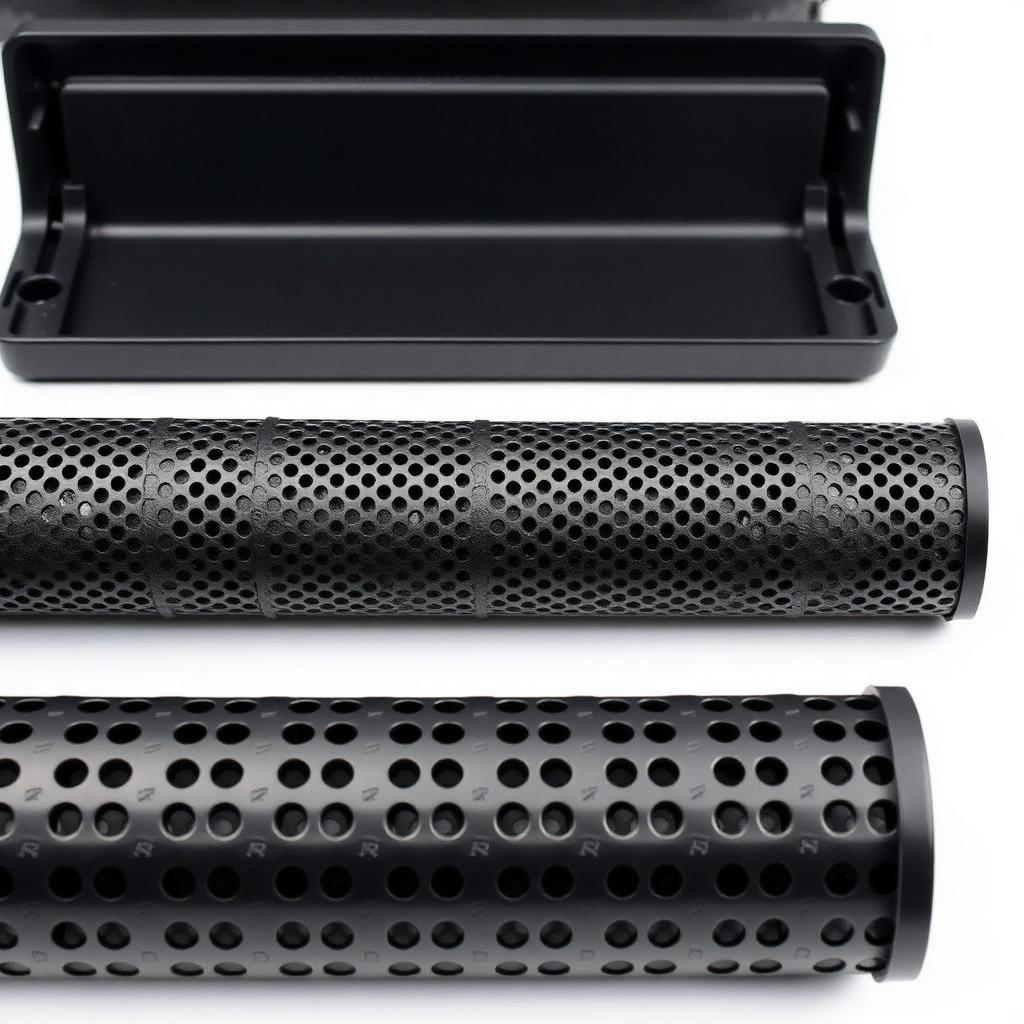
Polymer channel drains and gratings for patios and drives.
- Granite paving slabsGardenstone
Dense calibrated granite — heavy-duty patios and driveways.
- Clay pavers — 200×100 mmTravis Perkins
Kiln-fired clay pavers, colour-fast for driveways and paths.
- Granite setts — 100×100 mmPaving & Building Supplies
Riven granite setts, mortar-bedded for driveways and edging.
- Grass-grid cellular paversTravis Perkins
Recycled-plastic cellular grids — grass or gravel fill.
- Pattern-imprinted concrete suppliesTravis Perkins
Colour hardener, release agent and sealer for PIC drives.
Frequently asked questions
- What is MOT Type 1 sub-base?
- MOT Type 1 is a crushed stone aggregate graded from about 40 mm down to dust, formally a 0/31.5 mm unbound mixture, defined in the UK Specification for Highway Works, Series 800, Clause 803 (and BS EN 13285). The blend of sizes interlocks and compacts to a dense, load-bearing layer, which is why it is the default sub-base under driveways, patios and paths. It is made from crushed limestone, granite, or recycled crushed concrete conforming to BS EN 13242. (The 'MOT' name comes from the old Ministry of Transport.)
- What is the difference between Type 1, Type 2 and Type 3 sub-base?
- Type 1 (Clause 803) contains fines that fill the voids, giving maximum strength but little drainage. Type 2 is similar but allows more fines and a smaller top size, cheaper and fine for lightly loaded paths, but weaker. Type 3 (Clause 805) is a reduced-fines, open-graded 'permeable' sub-base, the dust is removed so water drains through it, making it the choice for SuDS-compliant permeable paving.
- How deep should the sub-base be for a patio or driveway?
- For a foot-traffic patio or path, 100 mm of compacted sub-base is normal. For a domestic driveway carrying cars, lay 150 mm. Soft, wet or clay ground may need 200 mm or more plus a geotextile membrane. Always compact in lifts of 75–100 mm or less, a deep layer laid in one go will never reach full density.
- How do I calculate sub-base tonnage?
- Work out finished volume as area (m²) × compacted depth (m). MOT Type 1 is delivered loose and compacts by about 30%, so order roughly 1.3× that volume and convert to tonnes at a loose density of about 1.85 t/m³. As a check, one tonne covers about 5 m² at 100 mm or 3.5 m² at 150 mm compacted. The calculator on this page does this automatically once you enter your area and depth.
- Does sub-base need a geotextile membrane?
- A woven geotextile membrane between the subgrade and the sub-base stops the stone punching into soft ground and prevents weeds and silt migrating up into the layer. It is strongly recommended on clay or wet ground and is cheap insurance on any driveway. On very soft ground a geogrid can be added to bridge weak spots.
- Do I need planning permission for a new driveway?
- In England, since 2008, a front driveway over 5 m² that uses an impermeable surface draining to the road needs planning permission. A permeable surface (such as permeable block paving on a Type 3 sub-base), or one that drains to a lawn or border, is permitted development. Wales has equivalent rules. Always check current SuDS guidance for your area.
- How much should I compact MOT Type 1?
- Lay it slightly damp and compact each 75–100 mm lift with a vibrating plate (wacker plate) for paths and patios, or a vibrating roller for driveways. Make several passes until the surface stops moving and rings solid. Light watering helps the fines bind. Proper compaction is what stops future sinking and rutting.