 Garden Surveyor
Garden Design Calculator
Aspect-aware design checks: DPC clearance, slope/gradient verdicts, outdoor step geometry and tree-to-foundation setbacks against UK best practice.
Add return joins a small shape onto this polygon · Add path + area creates a linked pad · Add isolated area creates a separate editable patio part · tap an area button or shape to edit it.
40 advanced inputs hidden. Switch to Advanced to fine-tune.
Order what you need for this job

Horticultural grit 10 mm — bulk bag
Building Materials Nationwide
Need ~1 tonne
See options
Heavy-duty weed-control membrane
Amazon
Need ~17 m²
£15–£40 / roll · ~£15–£40
See options
Ad · Some links are sponsored. We may earn a small commission at no extra cost to you. Suppliers are chosen for fit, not commission.
- Garden area
- 15m²
- Perimeter m
- 16m
- Peak runoff
- 712
- Peak runoff (m³/hr)
- 0.71
Tailored to the garden aspect and dimensions you entered — planting palette, spatial layout and the microclimate things to plan around.
Split the space on the golden ratio, not the middle
Over the 5.0 m long axis, place the first major division about 3.1 m from one end (a 3.1 m : 1.9 m split). This 1:1.618 proportion reads as naturally balanced — a terrace/lawn or lawn/planting break here feels right where a 50/50 split feels static.
Why it matters: Dividing a garden into unequal, proportional zones is the single most reliable way to make it feel designed rather than left over.
What changes it: Derived from the longest plot dimension you entered.
Place focal points on the thirds
Set a key feature (specimen tree, sculpture, water bowl, seating) around the 1.7 m or 3.3 m mark rather than dead-centre or at the far wall, and offset it from the central sightline.
Why it matters: Off-centre focal points on the thirds draw the eye through the space and create a sense of journey; centred ones flatten it.
Small plot — borrow depth, don't fragment it
At ~15 m² keep to one or two zones, use a single material palette and a diagonal or curved line to make it feel larger. Avoid many small beds, which chop the space up.
Why it matters: Over-dividing a small garden makes every part feel cramped; a single bold move makes it feel generous.
Zone the layout for relax
As the main use is relax, give the largest share to a sheltered seating zone with a clear outlook, screened from neighbours, and keep circulation simple so the space feels calm.
Why it matters: Laying the garden out around how it will actually be used — not a generic template — is what makes it get used rather than just looked at.
What changes it: Set from the primary use you selected.
Siting your patio
Place the patio where it catches sun at your main time of use and sits flush against the house or a sheltered corner.
Why it matters: Getting the position of the headline feature right first anchors every other decision in the layout.
What changes it: Set from the key element you selected.
Use the golden ratio to place a focal point
Dividing the 5 m length at roughly 3.1 m from the main viewpoint puts a focal element (specimen tree, water feature, seat) at a naturally pleasing point rather than dead-centre or hard against the boundary.
Why it matters: Off-centre, proportioned placement reads as composed; symmetrical centre-stage placement only works in formal designs.
Quantities pre-filled from your calculation (15.0 m²). Partner links — we may earn a small commission if you buy, at no cost to you.
Essentials for this job
Horticultural grit 10 mm — bulk bag
Building Materials Nationwide
Need ~1 tonne for your job
Fine grit for soil conditioning, mulching and potting mixes.
See options at Building Materials Nationwide
Beautiful Borders / Blended Loam topsoil
Rolawn
Need ~2 tonne for your job
Screened BS3882-compliant topsoil in 1 t bulk bags.
Check price at RolawnGuide price: £45–£80 / tonne(~£90–£160 total)
Indicative · reviewed May 2026
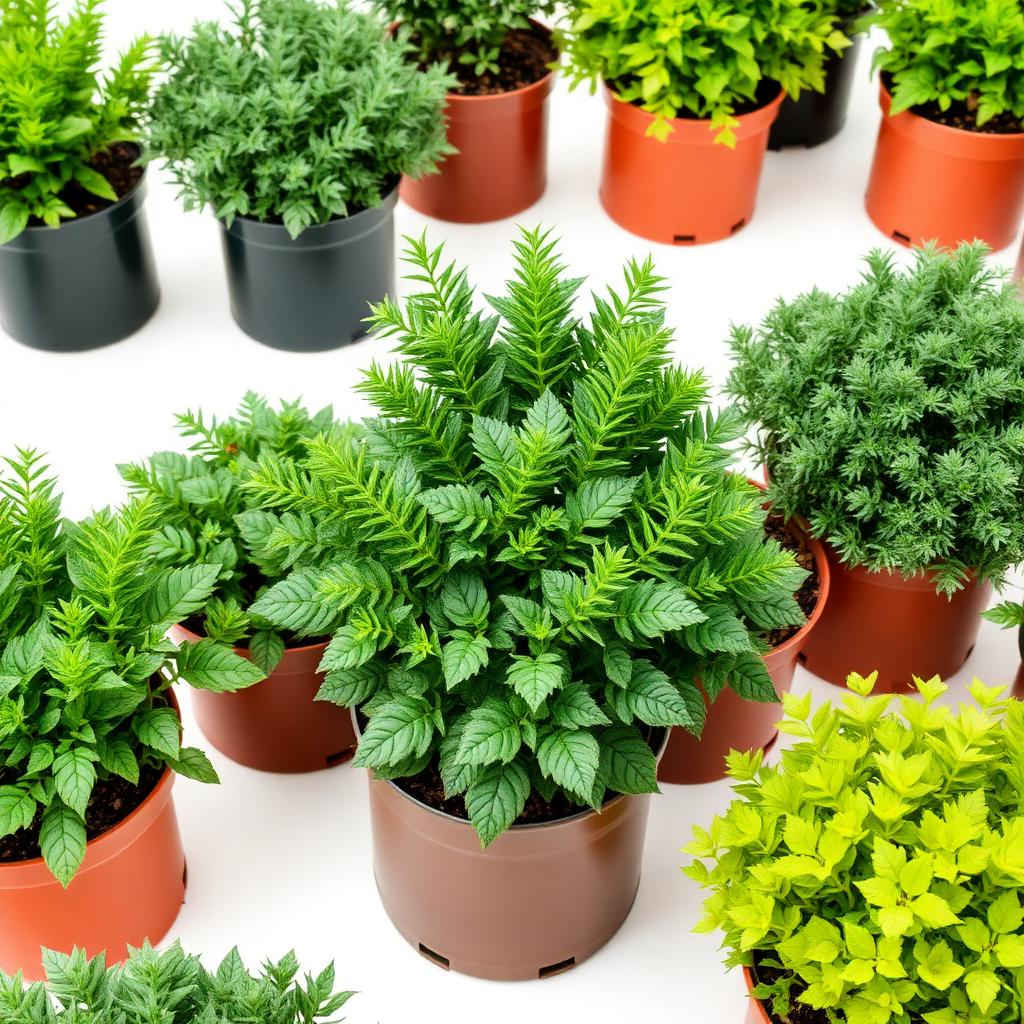
Garden plants — perennials, shrubs & grasses
Crocus
RHS-grade nursery stock in P9–2 L pots — matched to your planting plan.
Check price at CrocusGuide price: £3–£18 / plant
Indicative · reviewed May 2026
Plug plants & garden-ready plants
Gardening Express
Bedding, perennials and climbers by the tray — good value for larger schemes.
Check price at Gardening ExpressGuide price: £2–£12 / plant
Indicative · reviewed May 2026
Quantities include a ~10% waste allowance. Guide prices are indicative UK ranges (materials only, inc. VAT) — always confirm with the supplier before ordering.
Prefer to hire a pro?
Compare quotes from vetted local trades using this exact spec.
Ad · Some links are sponsored. We may earn a small commission at no extra cost to you. Suppliers are chosen for fit, not commission.
This app provides general UK guidance and material estimates only. It is not legal, planning, engineering or building-control advice. Always confirm requirements with your local planning authority, building control, utility providers, manufacturers or qualified professionals.